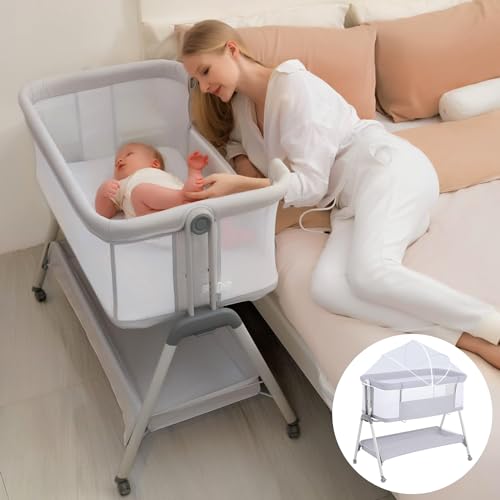
Cot for Newborns: A Comprehensive Guide
Selecting the best sleeping arrangements for a newborn is one of the most substantial decisions parents deal with. Among the basics for brand-new parents is a cot, which acts as a safe, comfortable sleeping space for the baby. This article will explore the numerous types of cots available, important safety considerations, suggestions for choosing the best one, and maintenance standards to ensure sturdiness and safety.
Kinds of Cots for Newborns
When it pertains to cots, there are several alternatives in the market. Each type has its special functions and advantages. Below is a table summarizing the various types of cots available for newborns.
| Kind of Cot | Description | Pros | Cons |
|---|---|---|---|
| Standard Cot | A timeless crib with fixed sides. | Sturdy and long lasting; great for long-term usage. | Can be large; might not fit in smaller areas. |
| Cradle | A little, rocking cot created for babies. | Portable and relaxing for infants. | Minimal usage as baby grows; less steady. |
| Moses Basket | A light-weight basket with handles. | Highly portable; comfortable for newborns. | Much shorter lifespan; usually not suitable for older babies. |
| Travel Cot | A collapsible cot appropriate for travel and momentary usage. | Easy to transport; usually simple to establish. | May lack strength; not as visually pleasing. |
| Co-sleeper Cot | Attaches to the moms and dads' bed, allowing distance. | Promotes bonding; breastfeeding convenience. | Limited space; often more costly. |
| Convertible Cot | Can transform from a crib to a young child bed. | Adapts with baby's growth; long-term financial investment. | Higher preliminary cost; assembly may be needed. |
Essential Safety Considerations
When choosing a cot for a newborn, security needs to constantly be the main issue. Here is a list of critical safety requirements and guidelines to consider.
- Standards Compliance: Ensure the cot meets safety requirements set by regulatory bodies such as the Consumer Product Safety Commission (CPSC) in the U.S. or the European safety requirements.
- Slat Spacing: The range in between cot slats ought to not go beyond 2 3/8 inches (6 cm) to prevent a baby's head from getting stuck.
- Stability: The cot needs to be strong and steady. Shake the cot before buying to ensure it does not wobble.
- Mattress Fit: The bed mattress must fit comfortably into the cot, without any spaces bigger than 2 fingers between the mattress and the cot sides.
- No Hazardous Materials: Check for non-toxic finishes and materials, guaranteeing that the cot is complimentary from hazardous chemicals.
- Remove Clutter: Avoid placing toys, pillows, or blankets inside the cot, as these can pose suffocation threats.
Tips for Choosing the Right Cot
Selecting a cot can be a frustrating process due to the myriad of choices readily available. Here are some pointers to help improve this process:
- Consider Size: Evaluate the size of your nursery or bedroom. Make sure the cot fits easily in the designated location.
- Strategy for Growth: Think about the durability of the cot. Convertible cots might use better value by adapting to a growing child.
- Budget Wisely: Quality cots can range extensively in price. Set Cots 4 Tots spending plan and stick to it, concentrating on safety and performance first.
- Research study Brands: Read reviews and perform research study on various brands. Trusted producers must provide transparent information about their security practices.
- Convenience: Ensure that the mattress is firm and offers adequate assistance. A soft bed mattress might increase the threat of SIDS (Sudden Infant Death Syndrome).
- Visual appeal Matter: While security is essential, think about how the cot fits into the general decoration scheme of the nursery.
Maintenance of the Cot
Ensuring the safety and durability of your newborn's cot needs continuous upkeep. Here are some useful maintenance ideas:
- Regular Inspections: Routinely check the cot for any loose screws or parts. Tighten them as needed to keep sturdiness.
- Tidiness: Wipe down the cot routinely with a damp fabric and moderate soap to remove dust and irritants.
- Bed mattress Care: Choose a waterproof cover for the mattress, making it easy to clean spills or accidents. Frequently change the bed mattress if it reveals signs of wear and tear.
- Safe Storage: If the cot is adjustable or convertible, store any detachable parts in a safe and secure place, ensuring they are not lost and are accessible for future usage.
- Kid's Development: Monitor your child's development. Transition to a young child bed when they start climbing up out of the cot to guarantee their safety.
Often Asked Questions (FAQs)
1. What is the best kind of cot for a newborn?
The very best cot varies depending on individual requirements and area, but a Standard Cot is often recommended for its sturdiness and long lifespan.
2. For how long can a newborn usage a cot?
Typically, many infants transition out of a cot in between 2-3 years depending on height and weight.
3. Is a co-sleeper cot safe?
Yes, co-sleeper cots are developed to be safe, as long as they meet safety requirements and are effectively set up.
4. Should I use bumpers in my cot?
It is recommended to avoid using bumpers as they pose a suffocation risk. Instead, guarantee the cot is clear of any soft bedding.
5. Can I utilize a pre-owned cot?
If considering a pre-owned cot, guarantee it sticks to the most recent safety requirements and has not surpassed its life-span or been recalled.
Selecting a cot for a newborn is an important decision that needs careful consideration of security, area, and functionality. By understanding the types, safety functions, and upkeep requirements, parents can with confidence pick a cot that fulfills their family's requirements. Ultimately, the best cot will provide a safe and comfy space for your newborn to sleep, contributing to their wellness and advancement throughout those vital early years.